Mahakaal is a form of Shiva worshipped at Mahakaleshwar in Ujjain. In this context, time is a religious and philosophical theme as well as part of the city's timekeeping heritage.
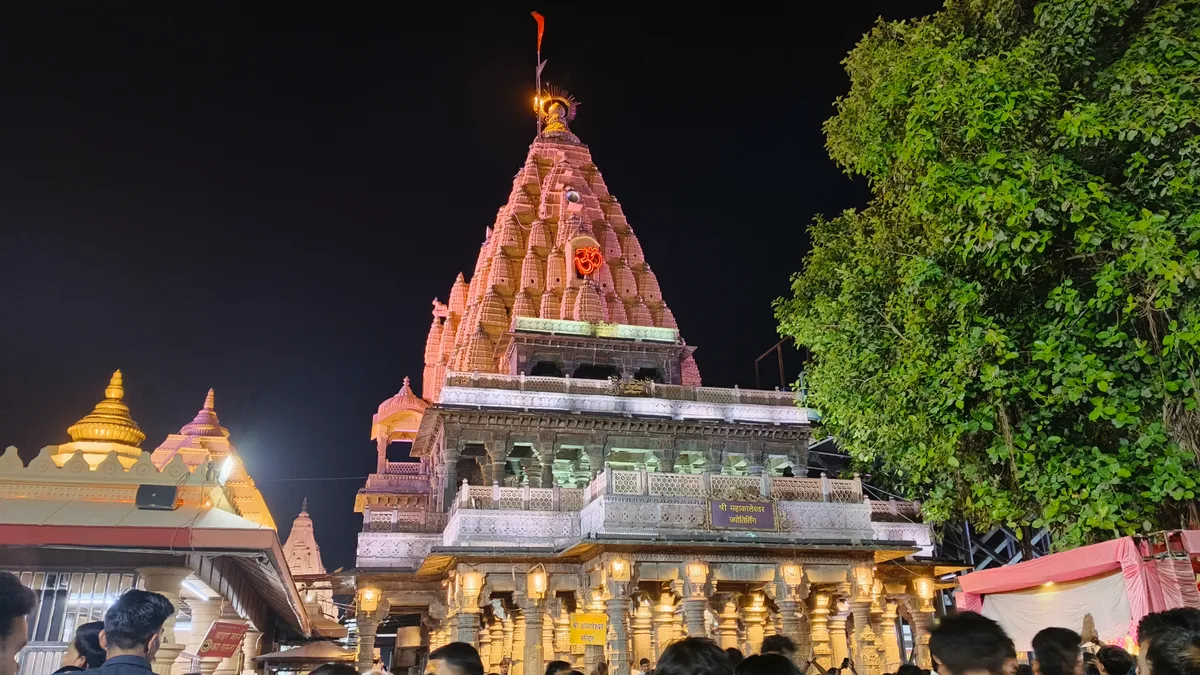

Why Mahakaal belongs in a guide to time
A clock answers what time it is. Religious traditions also ask what time means: why things change, how people encounter mortality and what, if anything, lies beyond change. Mahakaal provides an Indian setting for exploring these questions. This page presents devotional interpretation as interpretation; it does not use religious belief to set the time on a clock.
Mahakaleshwar and Ujjain
The Ujjain district administration identifies Mahakaleshwar among the twelve Jyotirlingas. The temple is a living place of worship. Photographs, architecture and visitor information give the subject a physical setting, while particular legends should be read with their textual and regional context.
Ujjain also has an astronomical heritage, including the Vedh Shala observatory. The two subjects belong in the same account of a city, but a temple's religious significance does not itself establish an astronomical measurement or an official time standard.
What does Kaal mean?
The Sanskrit word kāla, often written Kaal in English, can refer to time or a period; other contexts associate it with death. A translation needs the sentence, text and tradition around it. Read the guide to Kaal for the distinction between a dictionary meaning and a devotional interpretation.
Is Mahakaal Standard Time official?
IndiaTime has not established an official civil standard under that name. India's current civil time is IST, UTC+5:30. Cultural discussions, local clocks and historical reference meridians should be labelled on their own terms. Use IST for meetings, transport and digital calendars.
Continue exploring
Explore Ujjain's observatory and timekeeping, traditional units of time and the Hindu calendar. The editorial distinction throughout this series is between documented history, calculated time and religious meaning.